
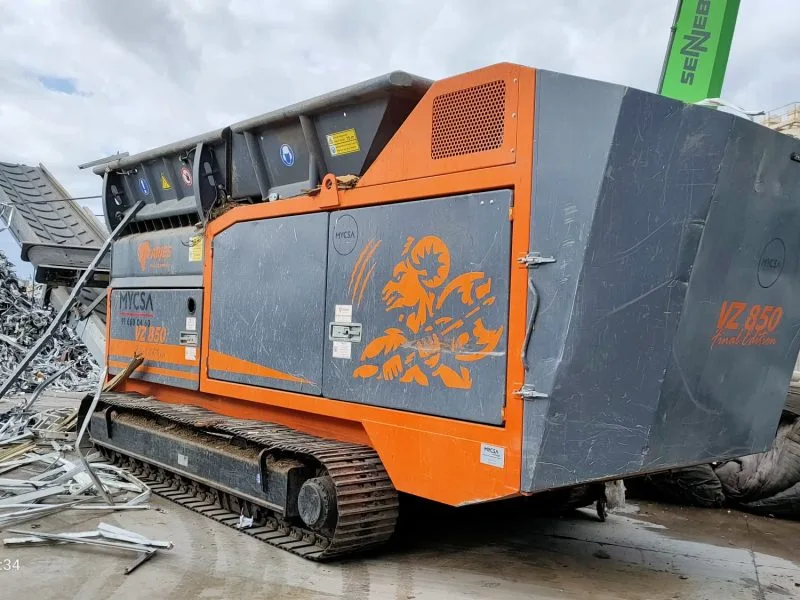
10 Questions to Ask Before Purchasing Used Recycling Equipment
Buying used recycling equipment can be a practical move for recycling and waste-processing companies who want to grow, but don’t want to pay for brand-new machinery. Still, a lower price tag doesn’t always equal better value. The equipment’s general condition, what it was used for before, its specifications and how well it actually fits your operation, all of that matters a lot before you sign anything.
If you’re hunting for a used shredder, baler, crusher, conveyor or any other recycling setup, the right questions can keep you away from those surprise repair bills and annoying downtime issues in future. So, here are ten important things to ask first before buying.
What Material Was the Equipment Previously Used For?
Different recycling machines are built for different feedstocks . A machine that was once handling clean cardboard might have way different wear than one that worked on construction waste, metals, plastics or mixed material.
Ask the seller clearly, what materials the machine processed and how often it ran. That should help you judge whether the unit is a match for what you plan to do.
How Old Is the Equipment?
Age alone doesn’t automatically tell you if used recycling equipment is a smart investment, but it gives context you can’t really ignore.
Ask for the manufacturing year, and if possible, the original purchase details. Sometimes an older machine, kept up properly, can be a better bet than a newer one that was heavily used and poorly maintained.
Also, age should be balanced with operating hours, condition, maintenance history and the kind of work it previously did.
How Many Hours Has the Machine Operated?
Operating hours often show wear levels more realistically than age alone. Find out if the seller can share an hour-meter reading or other proof that shows how extensively the machine has been used. A high hour count doesn’t instantly mean “bad deal,” but it can point to components that may be near replacement time.
Knowing the real usage helps you plan for upcoming upkeep without getting blindsided.
Is There a Maintenance Record?
A good maintenance history can be genuinely reassuring when you’re purchasing used recycling equipment.
Ask if there are servicing records, inspection notes, repair bills or replacement-part documentation. Consistent maintenance tends to mean the prior owner paid attention, and it can also show what parts were already swapped out.
If records don’t exist, then it’s smart to schedule an expert inspection before you commit.
Have Any Major Components Been Replaced?
Recycling machinery may include parts that wear hard during routine work. Depending on the type of machine, those can include cutting tools, screens, belts, bearings, hydraulic elements, motors or other working pieces.
Ask what major components have been replaced, and when that work happened. That information helps you gauge the current condition and also spot possible future costs sooner.
Can I Inspect and Test the Machine?
If it’s possible, inspect the equipment before purchasing it. A simple visual check can show obvious issues like damage, corrosion, leaks, heavy wear or maintenance that wasn’t great. But, watching the machine run gives you even better clues.
Ask if you can observe it operating, and when possible, test it with the type of material you actually intend to process. Listen for strange sounds, look for excessive shaking and verify it runs smoothly and consistently.
Are Spare Parts Readily Available?
Parts access matters a lot when buying used recycling equipment.
A unit might look cheap at first, but if the parts are hard to source, you can end up dealing with major downtime and unexpected expenses. Ask whether common wear parts are still obtainable, and whether there’s an established supplier route.
Also consider how fast replacements can show up if a key component fails, because waiting around costs money too.
What Are the Machine’s Capacity and Specifications ?
Just make sure the equipment can actually manage what you plan to run. Look at the specifications like processing capability, power needs, feed size, output size, overall dimensions and the operating demands. If the machine is too small, it can struggle to reach your production targets. But if it’s oversized it might mean higher energy use and more operating costs.
Your supplier should be able to talk through what the equipment can do and help you decide if it fits your application. Maybe they’ll also point out limitations you didn’t think about.
What Installation and Transport Requirements Are Involved ?
Bigger recycling units can need specialist transport, lifting gear, site preparation, electrical connections, commissioning, or proper installation. Before you buy, ask the seller for the machine dimensions, weight, what dismantling might be needed and how the installation process works.
If you plan these details early, you avoid the logistical surprise that shows up when the equipment finally arrives on site.
Is There Any Warranty or After-Sales Support ?
Lastly, ask clearly what kind of help is available once the deal is done. Some suppliers provide fairly limited warranties, inspection reports, technical support, installation assistance or spare parts access.
Reviewing the terms before you finish the purchase helps you understand the actual support level, if an issue develops after delivery. It’s better to know upfront than to find out later.
How to Decide If Used Equipment Is Worth Buying
After all these questions, it’s smart to shift your focus to the total cost of ownership, not only the buy price.
Include transport, installation, maintenance, replacement parts, energy consumption and possible downtime. A machine that costs a bit more at the start might still be of better value if it’s in excellent condition, has a solid maintenance record and parts are easy to source.
The right used recycling equipment should deliver dependable output, while matching your production needs and your budget.
Why Choose OVS Recycling ?
OVS Recycling offers recycling machinery and equipment solutions for companies trying to improve waste processing and recycling operations. We know that buying used machinery isn’t a casual decision, so equipment condition, application fit, specifications, and real-world suitability should be reviewed before you commit.
Whether you’re after shredders, balers, conveyors or other recycling machinery, our team can help you browse options and match equipment to your day-to-day operational needs.
Conclusion
Used recycling equipment can be a cost-effective way to boost processing capacity, but the choice shouldn’t be made based on price alone.
Ask about the machine age, operating history, maintenance records, overall condition, spare parts availability and after-sales support. Then you can make a more confident investment.
Spend time inspecting the unit, understand what it was previously used for, and calculate total cost of ownership. With good research and the right supplier, used recycling machinery can still deliver reliable performance and long-term value for your operation.