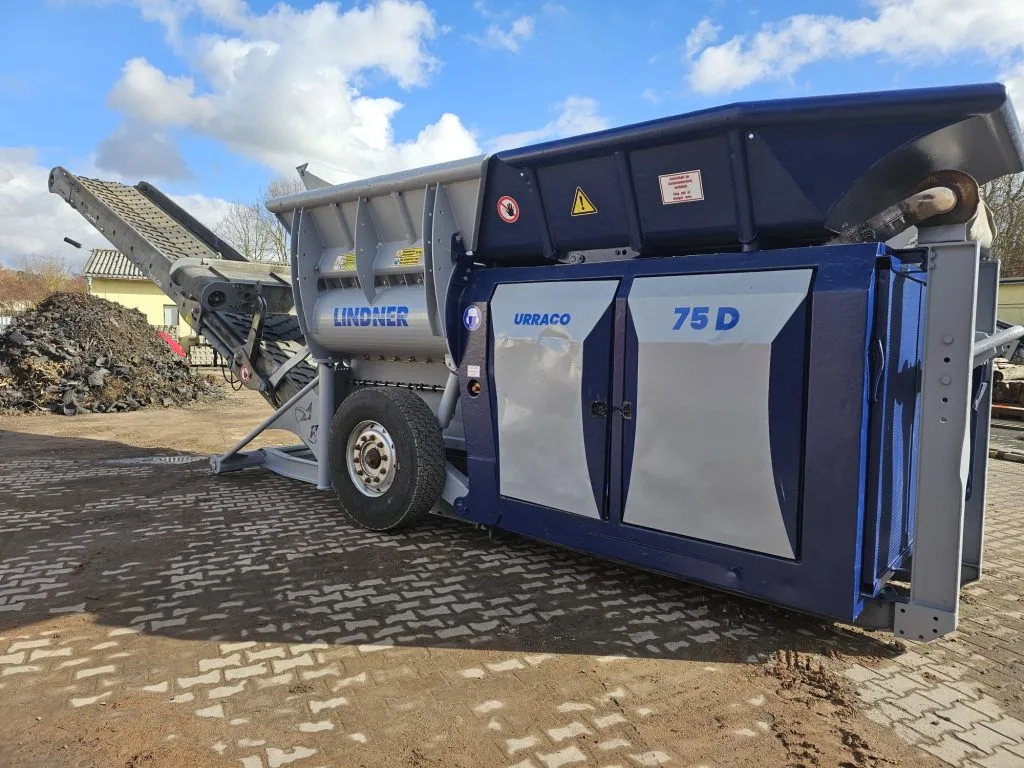
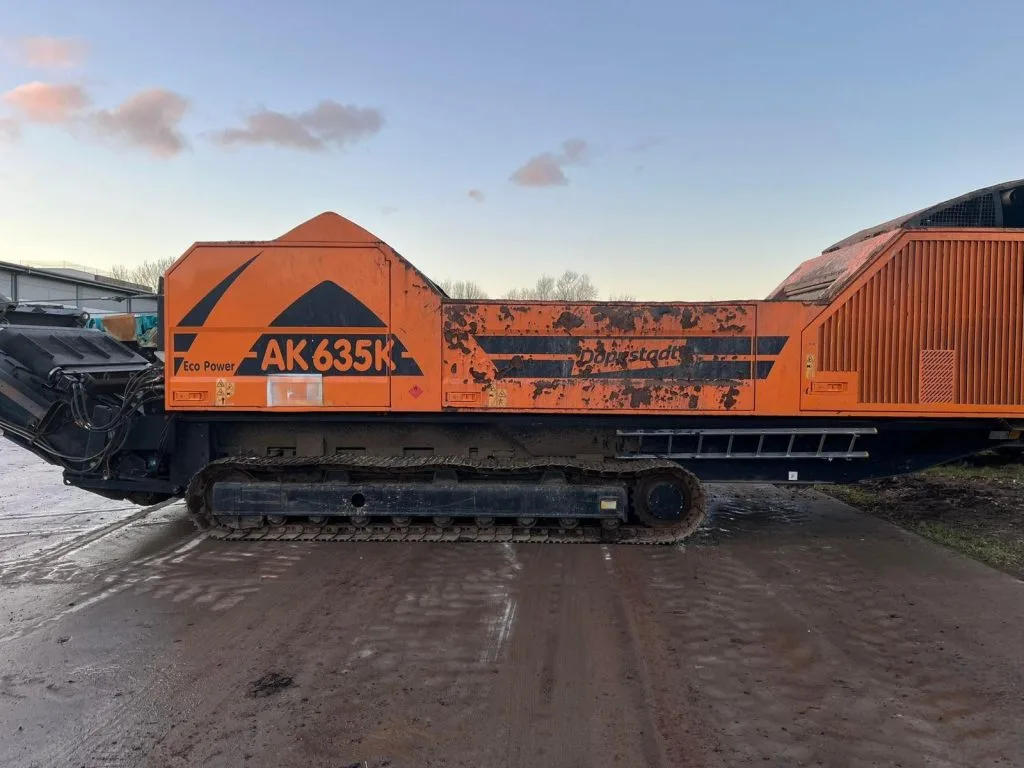
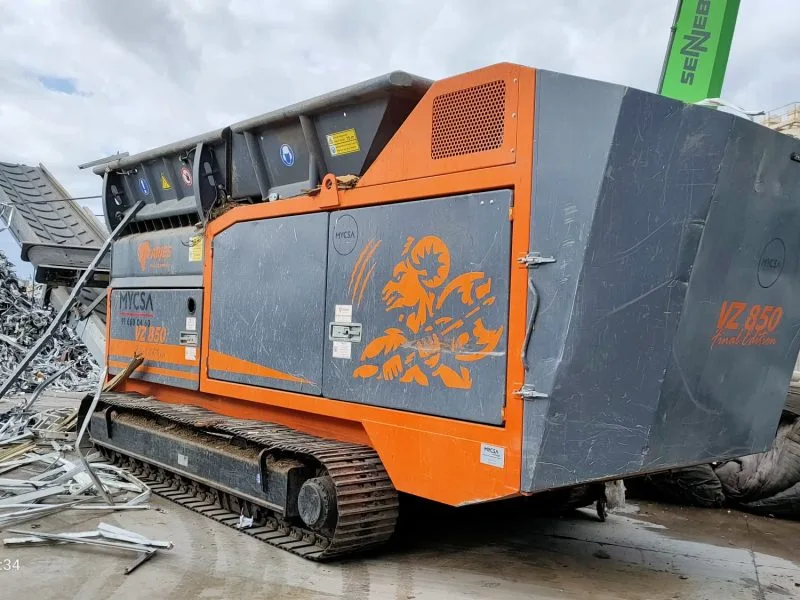
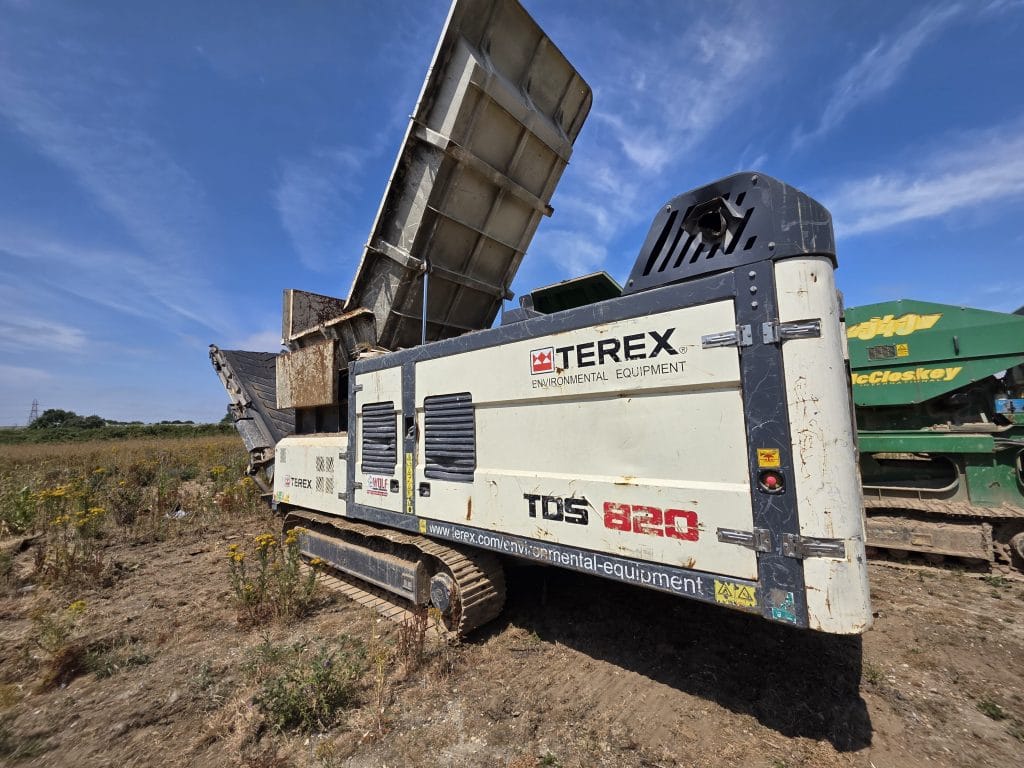
Used Slow Speed Shredders for Sale: Buyer’s Guide
If you’re trying to get a slow speed shredder, buying a pre-owned unit can be a smart move to grow your recycling or waste processing setup without going all in on the price of brand new equipment. Slow speed shredders are used pretty much everywhere across industries, mainly because they handle bulky and awkward materials well.
While buying a second-hand shredder, always be aware of what you want as not every second-hand shredder is the same deal. Figuring out what matters before you pay is what helps you land a machine that stays dependable in the long run.
What is a Slow Speed Shredder?
A slow speed shredder is basically a heavy-duty setup that leans on high torque and low rotational speed to tear, cut and break down material. Instead of impact based shredding (like some high-speed units), slow speed machines shear and cut waste more controlled. The result is less dust, quieter operation, and less grind on important parts, which is why they’re often chosen for steady industrial use everyday.
These machines are commonly used for wood waste, green waste, commercial waste, industrial waste, construction debris, plastics, tyres, mattresses, and other bulky stuff. Because of their flexible nature, they get used by recycling sites, waste management companies, and demolition contractors too.
Why Choose a Used Slow Speed Shredder?
For a lot of businesses, used equipment gives a pretty good mix of performance and affordability. A decent pre-owned shredder can deliver basically the same capability as a new unit, but with a noticeably lower purchase cost.
That lower upfront expense means you can put money into other day-to-day needs, while still having proper industrial grade equipment. Also, in many cases, a used shredder pays back sooner because the acquisition cost is smaller, so the payback period shrinks.
Also, new machinery can take forever with manufacturing and delivery delays. Used shredders are often ready for immediate purchase and installation.
What to Look for Before Buying
Second-hand equipment can surely save money, but you should still inspect the machine properly before deciding.
First, look at the overall condition. Check the cutting shafts, shredding teeth, hydraulic components, engine, bearings, and the conveyor system. You’re looking for excessive wear, cracking, damage, or any sign which shows that the machine is not in proper condition. A well kept machine should run smoothly, without rough vibrations or any leaks.
Next, look at the maintenance history, because records are usually telling. Service logs can show whether it was inspected regularly, and whether major components were repaired, swapped, or upgraded. Sometimes, a machine with higher operating hours, but consistent servicing, can end up more reliable than a unit with fewer hours but almost no maintenance trail.
If it’s possible, ask for a demonstration. Watching the shredder process actual material lets you judge the throughput, the output quality, how the engine behaves under load, and the general health of the unit before you commit.
Choosing the Right Machine for Your Business
The best slow speed shredder is the one that fits your operation, not just the one with the largest advertised capacity.
Think about what you feed into it every day. Wood, green waste, construction debris, and mixed commercial waste, each place different stress on shredding equipment. If you pick a machine designed around your main material, you get better efficiency and you also avoid extra wear that comes from forcing a mismatch.
Production capacity matters too. Estimate what you need per day and pick equipment that can handle your workload without being massively oversized. Larger units can burn more fuel, and usually lead to higher maintenance costs, so oversizing is not always the win.
You should also consider whether you need a mobile or static machine. Mobile slow speed shredders work well for businesses covering multiple sites. Whereas static machines are usually better when you’re running a permanent recycling facility.
Benefits of Investing in Used Equipment
A reliable used shredder can boost productivity and help lower operational spending. By reducing the volume of waste, these machines can cut transportation costs and improve how well downstream recycling works.
They also support sustainability, since more material can be recovered and reused instead of heading to landfill. For businesses in competitive recycling markets, the combination of cost control and environmental value can be a real advantage.
Buy from a Reputable Supplier
Where you buy matters, probably just as much as what you buy. Established recycling equipment suppliers often inspect, service, and prepare used shredders before listing them. Many will also offer technical guidance, access to replacement parts, and after-sales support, so buyers don’t get slammed by unexpected downtime.
A reputable supplier can help match the right shredder to your budget, your material type, and your production needs. They should also make sure the machine has been properly assessed before it’s sold.
Conclusion
Buying a used slow speed shredders for sale can be a strong way to raise processing output while keeping capital expenditure under control. With careful inspection, a clear view of what your operation actually needs, and support from a trusted supplier, a used shredder can keep running reliably for years.
Whether you’re expanding an existing recycling business, or buying your first industrial shredder, taking time to check condition, maintenance history, and overall fit for your application is what helps you make a smarter choice and maximise long-term value.