
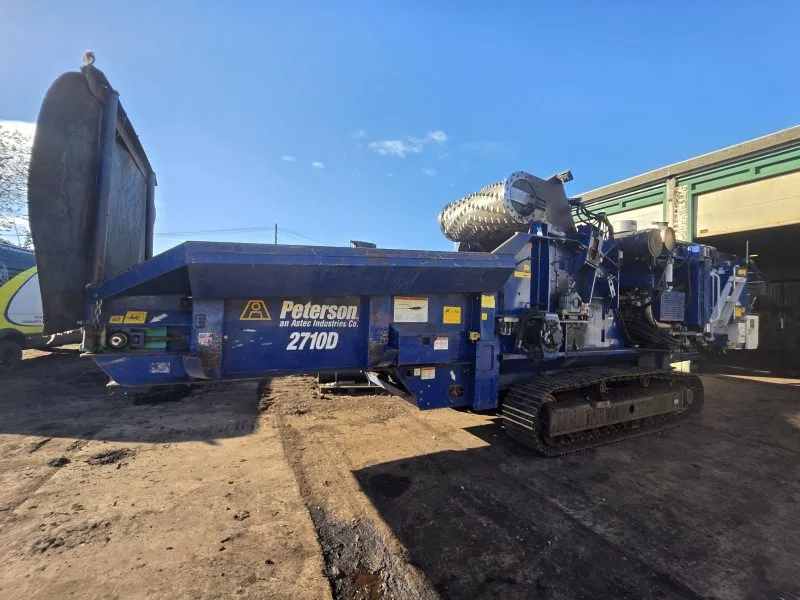
Used Recycling Machinery for Sale UK: How to Compare Machinery Options
A new recycling plant costs a lot of money and most small and mid-sized UK businesses can’t justify it. So a lot of them start by looking at Used Recycling Machinery for sale UK. A well-kept second-hand machine can do the same work as a new one for a fraction of the price. The catch is that some machines on the market are tired, badly matched to the job, or expensive to keep running. I’ll walk you through how to compare your options so you don’t end up with one of those. By the end you’ll know what to check, what to ask the seller and how to judge used scrap machinery by the full cost rather than the sticker price.
Why Buyers Choose Used Machinery
Most people go second-hand for practical reasons.
- The price is lower, often a lot lower, which leaves cash for the rest of the business.
- Delivery is quicker. A new machine can take months to build and ship, while a used one may be ready in a couple of weeks.
- You can see how it has performed. A machine that has run for years has a track record.
Search for used recycling machinery for sale and you’ll find plenty of choice. Used recycling equipment for sale ranges from small balers to whole shredding lines. The hard part is comparing them fairly.
Start With Your Material and Your Output
Before you look at any listing, work out two things: what you process (metal, plastic, cardboard, wood or mixed waste) and how much of it you process each hour or day.
That keeps you from buying something too small or too big. Used scrap machinery like shears, balers and shredders is built for particular materials. A baler made for light cardboard won’t last long on heavy steel.
Main Machine Types to Compare
- Balers press loose material into tight blocks. They suit cardboard, plastic and light metal.
- Shredders cut material into small pieces, whether that’s wood, tyres, plastic or scrap metal.
- Shears cut thick metal such as beams and plates.
- Granulators turn plastic into small, even pieces that can be reused.
- Conveyors and sorting lines move and separate material.
Each type of used recycling machinery for sale does a different job, so compare like with like first. Brand, age and price come after that.
What to Check Before You Buy
Photos hide a lot, so go through this list when you inspect a machine.
- Running hours: Hours matter more than age. Ask for the hour meter reading.
- Wear parts: Blades, belts, screens and hoses wear out first. Look at them closely.
- Service records: Regular servicing is a good sign. No records at all is a warning.
- Power needs: Make sure the voltage and power supply match your site.
- Safety guards: Missing guards or emergency stops can lead to injury and legal trouble.
- Test run: Ask to see used recycling equipment for sale working under a real load, not just switched on.
How to Compare Price Properly
The listed price is only part of what you’ll pay. Add up all of this for each machine:
- Purchase price
- Transport and lifting
- Installation and electrics
- Spare parts and blades
- Staff training
- Running costs, such as power and repairs
A cheap used scrap machinery deal turns expensive fast if the machine needs new blades, a new motor or a rebuild. Sometimes a dearer machine with good records costs less over three years. When you compare used recycling equipment for sale, work out the total for each one and put the numbers side by side.
Condition Levels: Ready to Run or Needs Work
Machines are usually sold in one of three states.
- Ready to run: tested, serviced and able to start work on arrival. It costs more but saves time.
- Good with minor work: fine overall, but it needs small jobs like new blades or hoses.
- Needs a rebuild: the cheapest option and only worth it if you have the skills and the time.
Be honest about how much downtime your business can take. If a stopped machine costs you orders every day, ready to run is usually the safer pick.
Questions to Ask the Seller
- Why is the machine being sold?
- How many hours has it run?
- Has it had any major repairs?
- Can I inspect it in person or by video?
- Are spare parts easy to get in the UK?
- Does it come with any warranty or after-sales help?
A seller with nothing to hide will answer quickly and clearly. Vague answers tell you something too. Anyone selling used recycling machinery for sale should be happy to share records and photos.
Common Mistakes to Avoid
- Buying on price alone
- Skipping the inspection
- Ignoring delivery and set-up costs
- Forgetting about spare parts, since old or rare models can be hard to repair
- Choosing a machine that is too big, because it uses more power and often sits idle
Many buyers of used recycling equipment for sale also forget to check access. Measure your doors and floor space first and plan for the crane or forklift. Used scrap machinery is heavy and moving it the wrong way can damage it.
Why Buy From a Trusted UK Supplier
A UK supplier makes the whole process easier. You can visit the machine, check it yourself and get help after the sale. Local sellers also know UK safety rules, so you’re less likely to be caught out. OVS Recycling lists used recycling machinery for sale for UK buyers and you can see the current range at https://ovsrecycling.co.uk/.
Ready to Compare Your Options?
Pick two or three machines and check each one against the points above. Compare the full cost, not just the price tag. Used scrap machinery can save your business a lot when you choose well. If you want to see what’s available, browse the used recycling equipment for sale at OVS Recycling and tell the team what you need. Finding the right used recycling machinery for sale takes some patience, but it pays off.