
Used Construction Equipment for Sale UK: A Smart Buyer’s Guide
If you run a construction business, manage a demolition site, or work in recycling and waste management, you already know that machinery costs can eat into your budget faster than almost anything else. Buying brand new equipment isn’t always realistic, especially for small and mid-sized firms trying to stay competitive. That’s why more contractors across the UK are turning to used construction equipment for sale as a practical way to keep projects moving without draining cash reserves.
At OVS Recycling, we see this shift every day. Buyers want machines that work hard, hold their value, and don’t come with a price tag that forces them to take out a second mortgage. The good news is that the market for construction equipment for sale UK wide has matured a lot over the past decade. There are now more inspection standards, better dealer transparency, and a wider range of well-maintained machines than ever before.
Why Buy Used Instead of New?
The obvious answer is cost, but it’s not the only reason. Here’s what pushes most buyers toward the used market:
Lower upfront investment. New excavators, loaders, and crushers can easily run into six figures. Buying used can cut that cost by 30 to 60 percent, freeing up capital for wages, fuel, and other operational needs.
Faster availability. New machinery orders can take months to arrive, particularly with global supply chain delays still affecting manufacturing. Used equipment is often ready to move onto site within days.
Slower depreciation. New machines lose a huge chunk of their value the moment they leave the dealership. A well-chosen used machine has already absorbed that first depreciation hit, so it holds its resale value much better over time.
Proven reliability. A machine with a documented service history and a few thousand hours on the clock has already shown what it can do. You’re not gambling on unknown early-life issues the way you sometimes do with brand new kit.
What to Look for When Buying Used Construction Equipment
Not all used machinery is created equal, and the difference between a good buy and a costly mistake often comes down to a handful of details.
Service and maintenance records. Always ask for documentation. A seller who can’t produce service history, or who seems reluctant to share it, should raise a flag straight away.
Hours of operation. Like mileage on a car, hours tell you a lot about wear and tear. Compare the hours against the machine’s age to see whether it’s been used lightly or worked hard.
Visual inspection. Check hydraulic lines for leaks, inspect tracks or tyres for uneven wear, and look closely at the undercarriage on excavators and diggers, since this is often the most expensive part to repair.
Attachment compatibility. If you’re planning to use existing buckets, breakers, or grapples, make sure the machine’s hydraulic flow and coupler type actually match what you already own.
Reputation of the seller. Buying from an established supplier rather than an anonymous online listing gives you far more protection. Reputable dealers typically inspect, service, and sometimes even refurbish equipment before it goes up for sale.
Popular Categories in the Used Market
When people search for construction equipment for sale UK wide, certain categories consistently top the list:
- Excavators, ranging from mini diggers for tight urban sites to large tracked machines for heavy earthworks
- Wheel loaders, used across quarries, recycling yards, and general construction
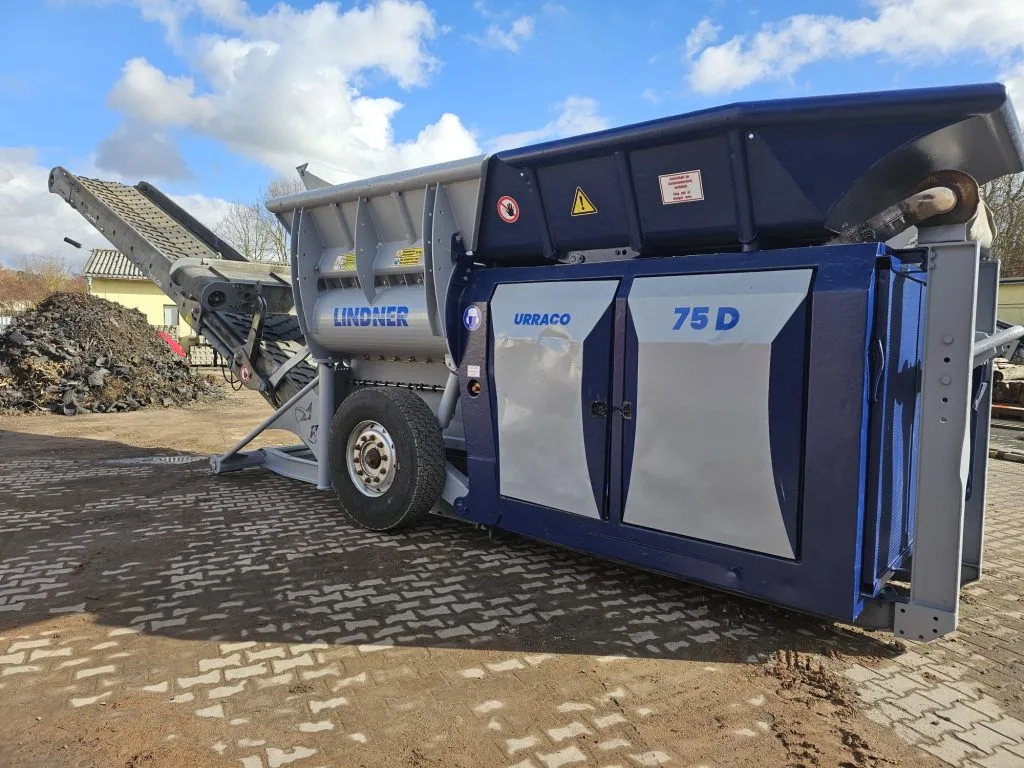
- Crushers and screeners, particularly popular with demolition and recycling operators
- Dump trucks and dumpers for moving material on and off site
- Skid steers and compact track loaders, valued for their versatility on smaller jobs
Recycling and waste management businesses in particular tend to look for crushers, screeners, and material handlers, since these machines are central to processing demolition waste, aggregates, and scrap efficiently.
Where OVS Recycling Fits In
OVS Recycling specialises in supplying quality used construction equipment for sale to businesses across the UK, with a particular focus on machinery suited to recycling, demolition, and aggregate processing. Rather than simply listing machines and hoping for the best, the approach is built around transparency: buyers get accurate hour readings, honest condition reports, and support before and after the sale.
This matters because the used equipment market has a reputation problem. Too many buyers have been burned by machines that looked fine in photos but turned out to have hidden issues once they hit the job site. Working with a supplier that has genuine industry experience, rather than a general classifieds listing, significantly reduces that risk.
Tips for Getting the Best Deal
A few practical habits can make a real difference to the outcome of any purchase:
- Get an independent inspection if you’re buying a high-value machine, especially one you haven’t seen in person.
- Negotiate based on condition, not just price. A slightly higher asking price on a well-maintained machine is often better value than a cheaper one needing immediate repairs.
- Factor in transport and delivery costs, which can add up quickly for larger machines moved long distances.
- Ask about warranty options. Some sellers offer short-term warranties on refurbished equipment, which can offer valuable peace of mind.
- Think about resale value from day one. Popular brands and models tend to hold value better and are easier to sell on when you’re ready to upgrade.
Final Thoughts
Buying used construction equipment doesn’t mean settling for less. With the right supplier, proper documentation, and a bit of due diligence, it’s entirely possible to secure reliable, high-performing machinery at a fraction of the cost of buying new. Whether you’re after a compact excavator for a small job or a crusher for a full-scale recycling operation, the UK’s used equipment market has matured to the point where quality and affordability can genuinely go hand in hand.
If you’re currently searching for construction equipment for sale UK wide, it’s worth taking the time to compare suppliers, ask the right questions, and choose a seller who stands behind what they sell. That extra bit of care upfront can save significant time, money, and stress once the machine is out on site.