
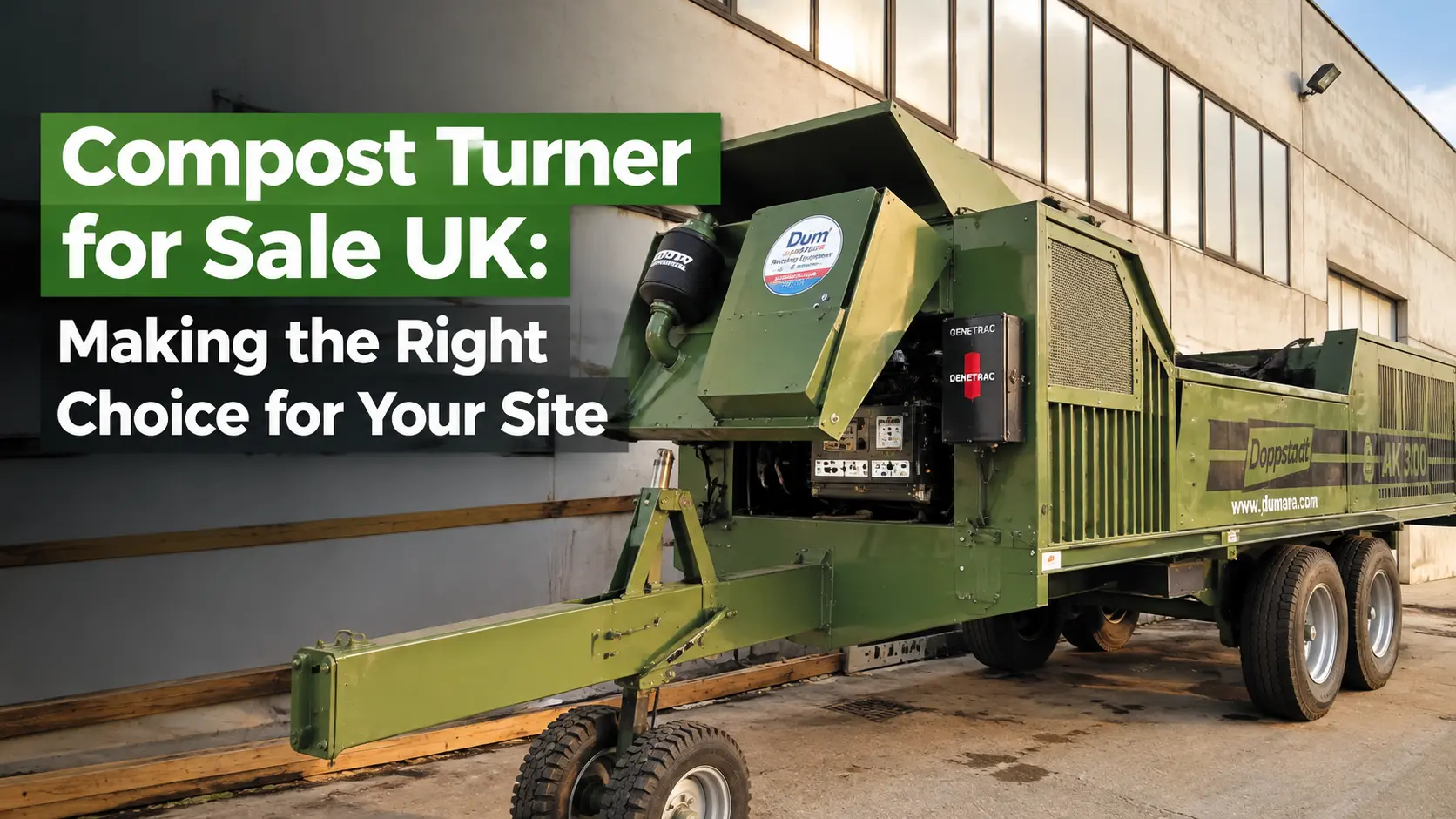
Compost Turner For Sale Uk: Making The Right Choice For Your Site
Buying a compost turner machine is a big step for any site. Get it right and your heaps break down faster, smell less and turn into good compost you can sell or use. Get it wrong and you end up with a machine that is too small, too big or too worn out. This guide is for anyone searching for a compost turner for sale in the UK. We cover the main types, what size suits your site, what to check on a used machine and how to think about cost. Here is how to make the right choice.
What A Compost Turner Does
Compost heaps need air. Without it, the middle of the pile goes sour, smells bad and breaks down slowly. A compost turner machine lifts and mixes the material, so fresh air gets in and the heat spreads out evenly. It also swaps the cool outer layer with the hot core, so the whole heap rots down at the same pace.
You can turn a small pile with a loader bucket. On a busy site that takes too long and the result is patchy. A proper compost turner does in minutes what a loader does in hours, which saves fuel and labour.
The Main Types Of Compost Turner
Most machines for sale fall into a few groups.
Tractor-drawn turners hook up behind a tractor and run off its power take-off. They cost less and have no engine of their own, so there is less to go wrong. But you need a tractor with enough power and space to turn at the end of each row. They suit farms and smaller sites.
Self-propelled turners have their own engine and drive. One operator works along the row from the cab. They are faster and handle bigger heaps, so larger green waste sites tend to choose them. They cost more to buy and to service.
Attachment turners fit onto a telehandler or loader. If you already own one, this can be the cheapest way in, though output is lower.
Some machines straddle the windrow and drive over it. Others work from the side. Straddle types often mix more evenly but need set row widths. Side-working types give you more freedom with layout.
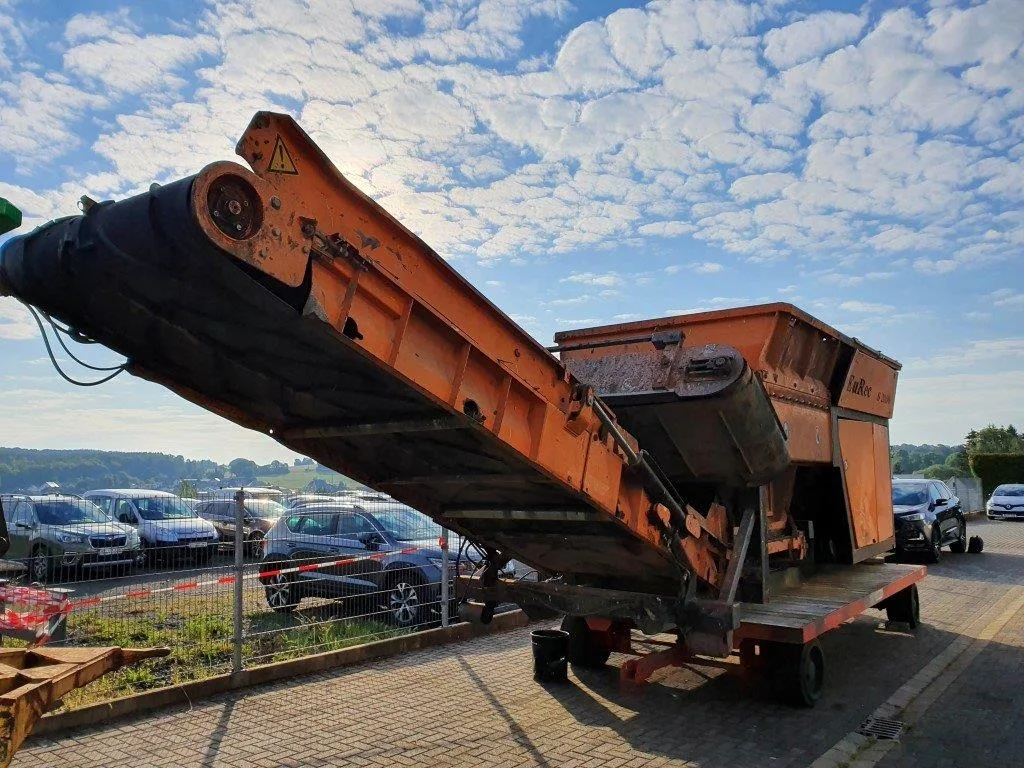
Match The Compost Turner Machine To Your Site
Start with how much material you handle each week. A machine that is too small runs flat out and wears fast. One that is too big costs more than it should and may not fit your rows.
Then look at your windrows, the long rows of compost. Measure the width and height and check the turner can cope with both. Ask how much it can turn per hour and compare that with your real volumes.
Think about the ground and the yard too. Soft, uneven ground is hard on wheels and tracks and a tight yard makes a big machine awkward to swing around. The material matters as well. Wet food waste and green waste behave differently from dry woody mix and some turners cope better with one than the other.
Last, check your permit. In the UK, what you can compost and how much depends on your permit or exemption, so speak to the Environment Agency if you are not sure. Quality standards such as PAS 100 can also set rules on turning and that changes which machine you need.
What To Check On A Used Compost Turner
Buying used can save a lot of money and these machines are built tough. But they work in wet, sticky, harsh material, so some wear is normal. Look closely before you commit.
- Rotor or drum: check the flails, paddles or tines for wear, cracks and missing pieces.
- Bearings and gearbox: listen for noise, feel for heat and look for oil leaks.
- Hydraulics, chains and belts: check for slack, damage and weeping hoses.
- Engine and cab on self-propelled models: ask for service records and check the hours.
- Frame and welds: look for cracks or repairs, especially near the rotor mounts.
- Tyres or tracks: check for wear and make sure everything turns freely.
- PTO shaft on tractor-drawn models: the guards should be in place.
If you can, watch the machine work. A short test on real material tells you more than a walk-round. Ask what it has been used for, too. A turner that spent its life on green waste is in a different state to one used on food waste.
Check that spare parts are easy to get. A cheap compost turner is no bargain if a missing part stops your whole site for weeks.
What It Really Costs
Price depends on age, hours, size and type. A tractor-drawn unit sits at the low end and a large self-propelled machine at the high end. But look past the sticker price. Add up delivery, any repairs it needs straight away, spare parts, servicing and fuel. A tractor-drawn model can look cheap until you count the cost of a tractor big enough to pull it.
A machine that costs a bit more but has a solid service history often works out cheaper over a few years. It will also be easier to sell on later.
Where To Find A Compost Turner For Sale In The Uk
Before you pay, ask how many hours the machine has done, what material it worked on and when the wear parts were last replaced. Ask for the service records and manuals and find out whether delivery is included.
Buy from a seller who lets you inspect the machine and answers questions plainly. We list used compost equipment on our used machinery page and stock changes, so it is worth checking back or getting in touch if you don’t see what you need. Tell us your volumes, your row size and your budget and we can help you narrow it down.
Take your time over the choice. A good compost turner machine will earn its place on your site for many years.