
How to Choose a Scrap Handler for Your Yard – Complete Buying Guide
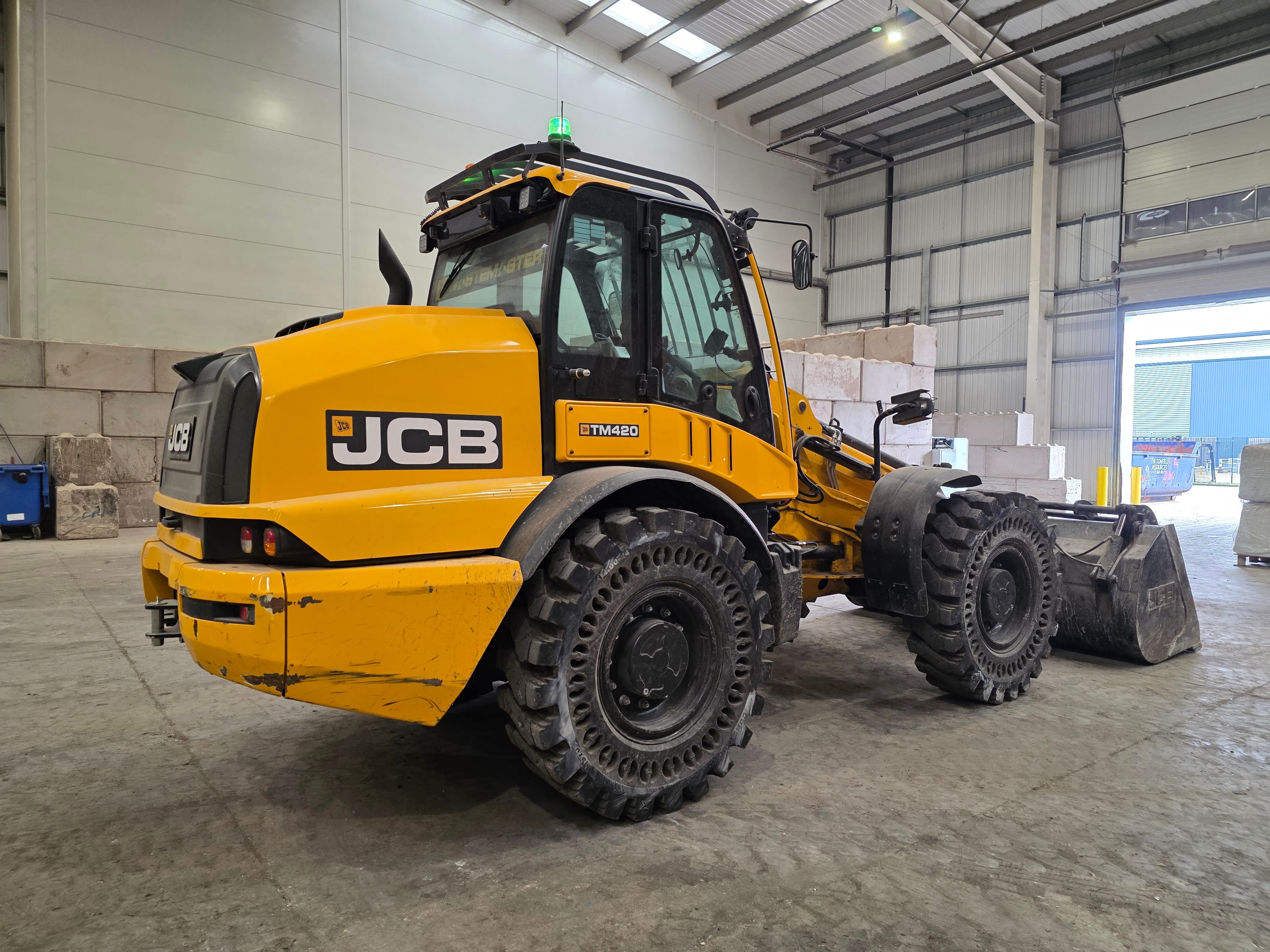
If you’re looking for a scrap handler for sale in the UK, it is one of the biggest calls you’ll make for a recycling or scrap metal operation. A scrap handler is made to move, sort, and load heavy stuff fast, so you get better productivity, less hassle with manual work, and lower operating expenses overall.
There are a lot of models, so choosing right isn’t just about price. You really need to think about how your yard works, what materials you handle day to day, and which features give you proper long term value. In this guide, you’ll find what you need before you invest in a scrap handler.
What is a scrap handler anyway?
A scrap handler is a purpose built material handling machine, built especially for recycling yards and scrap metal sites, plus ports, and waste management places. It’s not like a normal excavator, as scrap handlers tend to have a raised cab, longer booms, specialised hydraulic systems, and special attachments that help operators move heavy scrap in a safer and more efficient way.
These machines are used for ferrous and non ferrous metals, demolition waste, end-of-life vehicles, industrial scrap , and other recyclable materials. Since they are the best to work under pressure, they become an important tool for busy recycling operations.
Why invest in one?
Trying to deal with scrap by hand, or using the wrong equipment, can really slow things down and raise labour costs. With a dedicated scrap handler, operators can load, unload, and sort more quickly, and still keep better control when moving heavy or awkward loads.
Also, the right machine can reduce fuel use, lower downtime, and help safety at work. If your business deals with big volumes every single day, a solid handler often turns into strong long term savings.
Whether you are growing your site, or setting up from scratch, buying a reliable scrap handler for sale UK can push both output, and profits, in a noticeable way.
Get a clear view of your yard’s needs
Before you compare machines, look at how your yard actually runs. Think about your daily material mix. Steel beams, shredded scrap, construction demolition waste, aluminium, and mixed metals each come with different handling needs. The size of stockpiles, plus how often you load trucks or other vehicles, should steer your choice too.
Space matters as well. If your yard is tight or has narrow lanes, a compact scrap handler with sharp manoeuvrability may make more sense. For larger yards with high processing volumes, machines with stronger reach, and higher lift potential, usually fit better.
Choose reach and lifting capacity the right way
Reach is one of the most critical points. A longer boom helps operators reach bigger piles and load tall trailers or containers more smoothly.
But reach should be balanced with lifting capacity. The machine must handle your material weights without losing stability, or performance. A handler with too much capacity can become a pointless extra expense, while an underpowered one will likely cut productivity and slow you down.
When you match the machine to your actual workload, you usually get better efficiency, and a longer equipment life.
Look closely at attachments
A scrap handler becomes truly useful based on the attachments it can run. Hydraulic grabs are the most common option for loose scrap metal. Magnets are great when you need to move ferrous materials quickly. Some operations also use orange peel grabs, or specialised lifting tools built for particular products and waste streams.
When buying, make sure the hydraulics are compatible with the attachments your business needs now and later. A versatile handler can grow with your operation without forcing you to replace everything.
Operator comfort is not “extra”
Scrap handlers may work long shifts, so the operator environment matters. Many modern machines have elevated cabs so you get a better view around the yard. That means fewer blind spots, and better safety. Things like comfortable seating, easy controls, climate control, and lower noise levels also support productivity.
A comfortable operator tends to stay fresher, so you get more consistent performance through the whole day.
New vs used, what’s smarter?
A lot of companies searching for a scrap handler for sale in the UK go for high quality used units because the value is strong.
A properly maintained used scrap handler can last for years, often for a much smaller purchase price than a new one. Still, you should inspect carefully before you commit.
Check the hydraulic system, boom, undercarriage, engine, slew bearing, tyres or tracks, and review the service history. If possible, request a demonstration, so you can see how it performs under real working conditions.
Buying from a respected equipment supplier also adds confidence, because reputable dealers usually inspect and prepare machines before they’re sold.
Maintenance and running costs
The purchase price is only part of what you’ll spend overall. Ongoing maintenance, fuel efficiency, and parts availability all shape the total cost of ownership.
Pick a machine from a well known manufacturer that has replacement parts available, and servicing support nearby. Regular maintenance helps extend lifespan, and can reduce the chance of expensive breakdowns and sudden downtime.
Think about these costs upfront, so your final investment decision is a lot more informed.
Why buy from a specialist supplier?
Teaming up with a seasoned recycling equipment supplier comes with a bunch of practical benefits. A specialist usually knows the real-life pressures of scrap yards, and can suggest machines that fit your material type, the throughput you’re aiming for, and your budget.
A lot of these suppliers also have inspected used equipment, they’ll walk you through technical advice, organise replacement parts, and stay around for after-sales support. That level of backing gives buyers more confidence than a cold transaction does. This part matters even more if you’re buying for the first time.
Conclusion
Picking the right scrap handler for sale is really about matching the machine to how you actually operate. When the reach and lifting capacity line up, productivity tends to improve, and long-term value becomes more realistic. Then you’ve also got the extras: attachments, maintenance costs, and operator comfort. Each piece quietly affects the investment outcome, even if it doesn’t seem “big” at first
So if you’re searching for a scrap handler for sale in the UK, it helps to go with a trusted supplier and then thoroughly check each machine’s condition. Do that, and you’re far more likely to end up with reliable equipment that can support your recycling work for years. In the end the right scrap handler can boost efficiency, support safer operations, reduce running costs, and improve profitability too.