
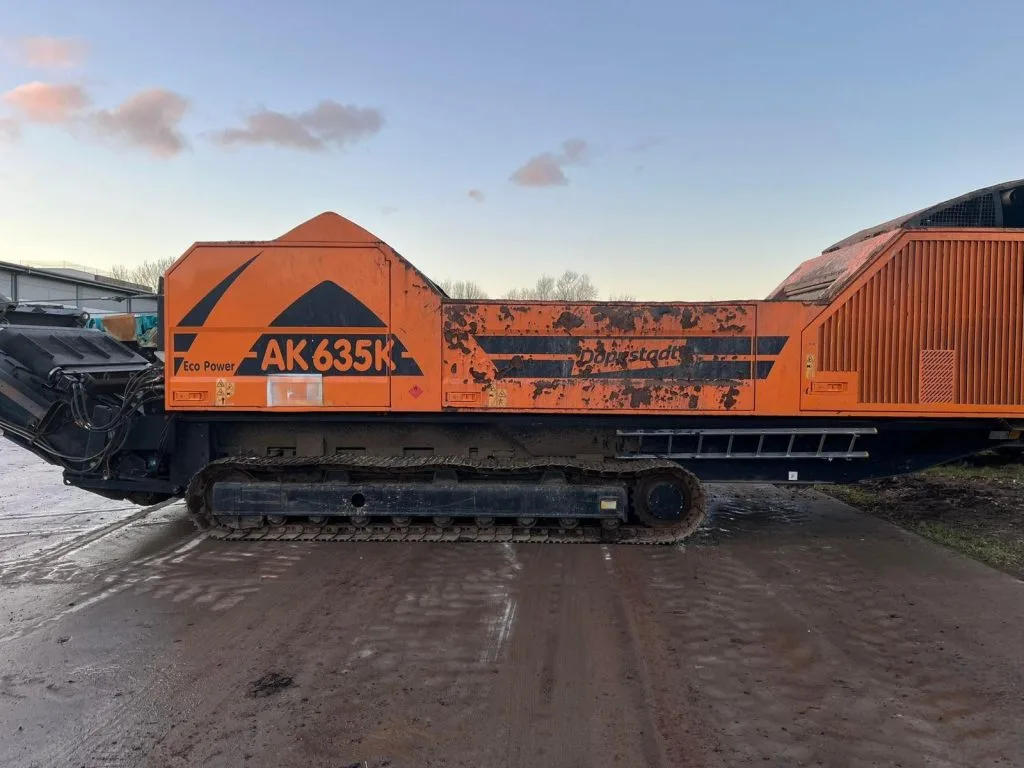
How to Choose the Right Industrial Shredder for Your Waste Stream
Picking the right Industrial Shredder can feel like a big deal for companies in recycling, waste management, making stuff and handling materials day to day. If you choose wrong, you might get weak processing, extra upkeep, higher electricity bills, and a lot of annoying shutdown time.
The right shredder can make waste handling smoother and keep your output steady. Before you buy an industrial shredder, it helps a lot to know what kind of waste you have, how much volume you need to run, what sort of end material you want, and how the machine will actually slot into your current setup.
Start With the Material You Need to Break Down
First, think about the material your industrial shredder will chew through. Not all shredders are built the same. Different waste streams act differently, so the “same machine for all” idea usually falls apart fast.
Your stream might include plastics, wood, construction waste, paper, cardboard, tyres, textiles or mixed commercial waste. Some are softer and simpler and others are chunky, gritty, abrasive or just hard to tear apart.
If you understand things like size, density, moisture level, and overall makeup, you can pick the shredding method that fits best.
Consider Your Required Processing Capacity
Once you know the material, think about how much you need them processed. Capacity is typically measured as the amount of material a machine can process across a set time period.
In general, the ideal industrial shredder should match your current load and still leave a little space for future expansion, without forcing constant upgrades.
Think About the Output Size You Need
Another key factor is the size of the shredded output. Some jobs need coarse shredding, while others require a finer, more uniform result for the next step. If the shredded material goes to another unit, like a granulator, separator, or screening system, the output size has to match what comes next.
It’s smart to know the final use of the processed product, then select the configuration and cutting setup that actually supports it.
Single-shaft or Twin-shaft Industrial shredders?
Industrial shredders often come in different build options, and single-shaft and twin-shaft versions are pretty common.
Single-shaft shredders are often a solid choice when you want controlled particle size, and when consistency matters. Twin-shaft shredders are frequently used for bulky or difficult material, where high torque and a strong cutting action is required.
The best route depends on your waste stream and your production targets. A machinery specialist can review your situation and suggest a setup that matches your needs, instead of using some off-the-shelf configuration.
Consider Power and Energy Requirements
Energy use matters more than the purchase price. A shredder with a strong motor may be necessary for heavy or challenging material, but power demand can heavily influence operating costs. Choosing the correct power level for your actual application helps you balance performance with efficiency.
Also, look beyond the initial specifications sheet. Think about what it will cost to run for years, across its expected working life.
Maintenance and Wear Parts Matter More
Shredding creates big mechanical stresses, so components will wear as time goes on.
Cutters, blades, screens, bearings, belts and other parts may need checking or replacement depending on the machine and how you run it. Before buying, ask how often common wear parts get replaced and how easy it is to reach them for servicing.
You should also confirm availability of replacement parts without long delays. A shredder that works great but is a pain to maintain can turn into repeated downtime, which nobody wants.
Consider the Space You Have
The machine dimensions are a practical issue too. Before purchasing an industrial shredder, confirm the installation space, access routes, electrical requirements, feed arrangement and discharge area. Larger equipment may need special transport or lifting gear during installation.
It should also connect logically with your current conveyor runs, sorting gear, screens or other processing equipment. If you plan the layout fully in advance, you can avoid expensive moments in future.
Safety Features Should Be Top Priority
Industrial shredders include powerful moving parts, so safety can’t be an afterthought. Choose equipment with solid guarding, emergency stop systems, proper safety controls and other protections built to reduce risk for operators. Staff should also be trained properly before they ever run the machinery.
With a well-designed and well maintained shredding system, you can support safer day to day work, while still keeping processing efficient.
New Or Used Industrial Shredder ?
A lot of businesses don’t really have to buy brand-new machinery. A solid used industrial shredder can be a real money-saving option, especially for companies that are working with a tight equipment budget or a limited purchasing window.
Still, used equipment has to be checked pretty closely. Look into the operating history, see if maintenance records exist, understand what it was used for before, verify the overall condition, review the operating hours and confirm that replacement parts are actually available when needed.
Also, don’t just focus on the sticker price. Think about what else might come up, like refurbishment, transport, installation and ongoing maintenance costs. Sometimes the low cost option costs more in the long run, so plan for that from the start.
Why Choose OVS Recycling?
OVS Recycling provides recycling and waste-processing equipment for businesses across many different industries. We know that choosing the right industrial shredder isn’t only about machine specifications, or comparing numbers on paper.
Our team can help you map out the right fit based on your material type, processing needs, expected output and even the available space you have on-site. We also consider your daily operational requirements, because shredding isnt a one-size-fits-all process. Whether you’re growing a recycling operation or adding shredding steps into your waste-processing line, the equipment has to match the requirements.
Conclusion
The right industrial shredder can really boost the efficiency of your waste-processing operation, but it still has to be matched properly to the material, the workload and how your facility runs day to day.
Before you buy, consider the waste stream, your required capacity, the target output size and the machine configuration. Don’t forget energy consumption, maintenance needs, safety features and the installation space available on your site. And if you are considering used machinery, investigate its history and condition with extra care. Try to look beyond the surface, because a few details can make a huge difference.
Taking the time to assess these points can help you avoid expensive missteps and select a shredder that delivers dependable performance, efficient processing and long-term value for your business.